
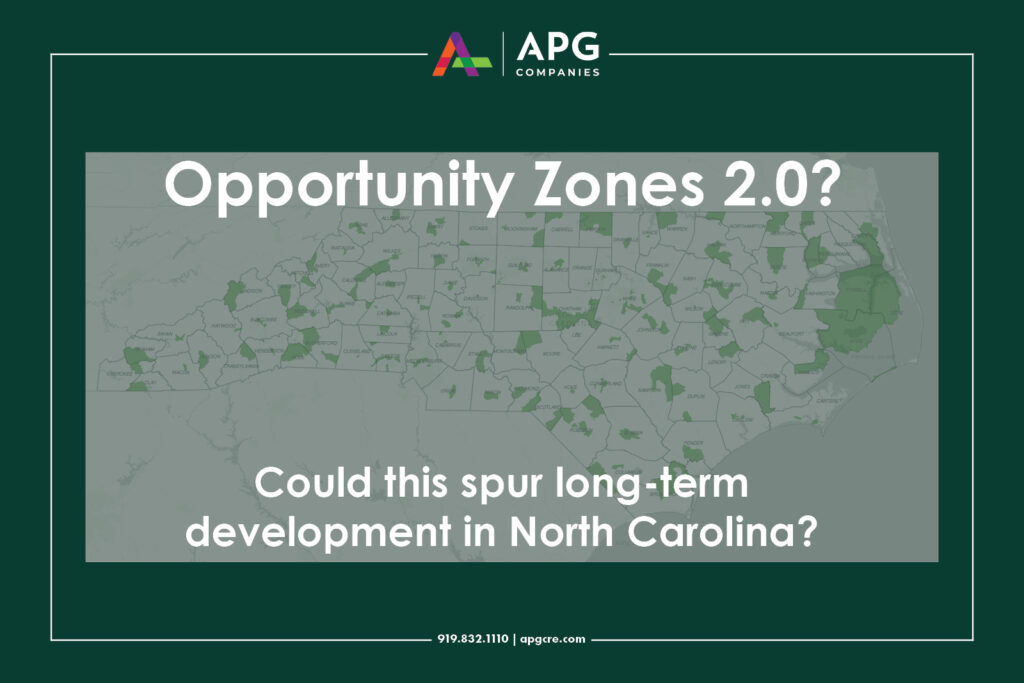
Congress is eyeing a major revamp of the federal Opportunity Zone (OZ) program—and it could reshape where and how capital flows across the country.
A new Republican-led tax proposal would sunset existing OZs at the end of 2026 and introduce a second round of designations from 2027 through 2033, with a sharp focus on rural investment. Among the most notable provisions:
- New Rural Prioritization: At least one-third of newly designated OZs would be required to serve rural areas.
- Reduced Incentives in Urban Zones: Current OZs—many located in urban and gentrifying neighborhoods—would see their benefits phased out earlier than expected.
- Rural Enhancements: Investors in new Qualified Rural Opportunity Funds (QROFs) could qualify for an enhanced 30% basis step-up and reduced improvement requirements.
- Stricter Eligibility: Future OZs must be in census tracts with lower median family incomes—tightening the program's focus on economic need.
- Potential Investment Gap in 2026: The transition could result in a "dead zone" year, causing uncertainty for ongoing projects.
As highlighted in a recent Triangle Business Journal article, this proposal reflects a broader policy shift that seeks to redirect investment away from rapidly developing metro areas and toward historically overlooked rural communities.
This could present new tools to spur long-term development in North Carolina, especially in areas outside the state's Tier-1 metros. But the clock may be ticking on current tax advantages for investors and developers active in Raleigh-Durham and Charlotte OZs.
Now is the time to review active OZ deals and prepare for a reshaped landscape.
Let us know if you're exploring projects in current or potential future OZs. We're actively monitoring the legislation and ready to help you navigate what's next.
#OpportunityZones #CRE #TaxPolicy #CommunityInvestment #RuralDevelopment #1031Exchange #APGAdvisors #CREstrategy