Modular multifamily construction continues to surface in development conversations across North Carolina and the nation for a practical reason: it addresses risks that have become increasingly difficult to underwrite.
Why developers are paying attention
- Faster delivery: Modular projects can deliver vertical construction 30%–50% faster than traditional construction.
- Reduced carrying costs: Accelerated schedules shorten interest carry and bring revenue online sooner.
- Greater predictability: Factory-built components reduce exposure to cost increase, weather delays and labor volatility.
- Consistent quality: Controlled environments allow for repeatable construction and tighter tolerances.
- Efficiency and sustainability: Precision fabrication reduces material waste and often improves energy performance.
Modular is not about lowering standards or cutting corners. It is about compressing timelines and managing execution risk.
Same rules, different delivery
In North Carolina, modular multifamily buildings are subject to the same building codes and zoning requirements as traditionally constructed apartments. They must comply with the North Carolina State Building Code, local land-use ordinances, and the same fire and life-safety standards.
The distinction lies in how projects are delivered.
For modular construction, much of the inspection process occurs earlier and off-site, within the factory, through state-certified third-party inspectors. Local officials still inspect foundations, utility connections, on-site assembly, and final occupancy.
This shift in inspection sequencing — not regulatory leniency — is what enables faster delivery.
Evidence, not theory
The Southeast now offers several real-world examples demonstrating how modular multifamily performs at scale:
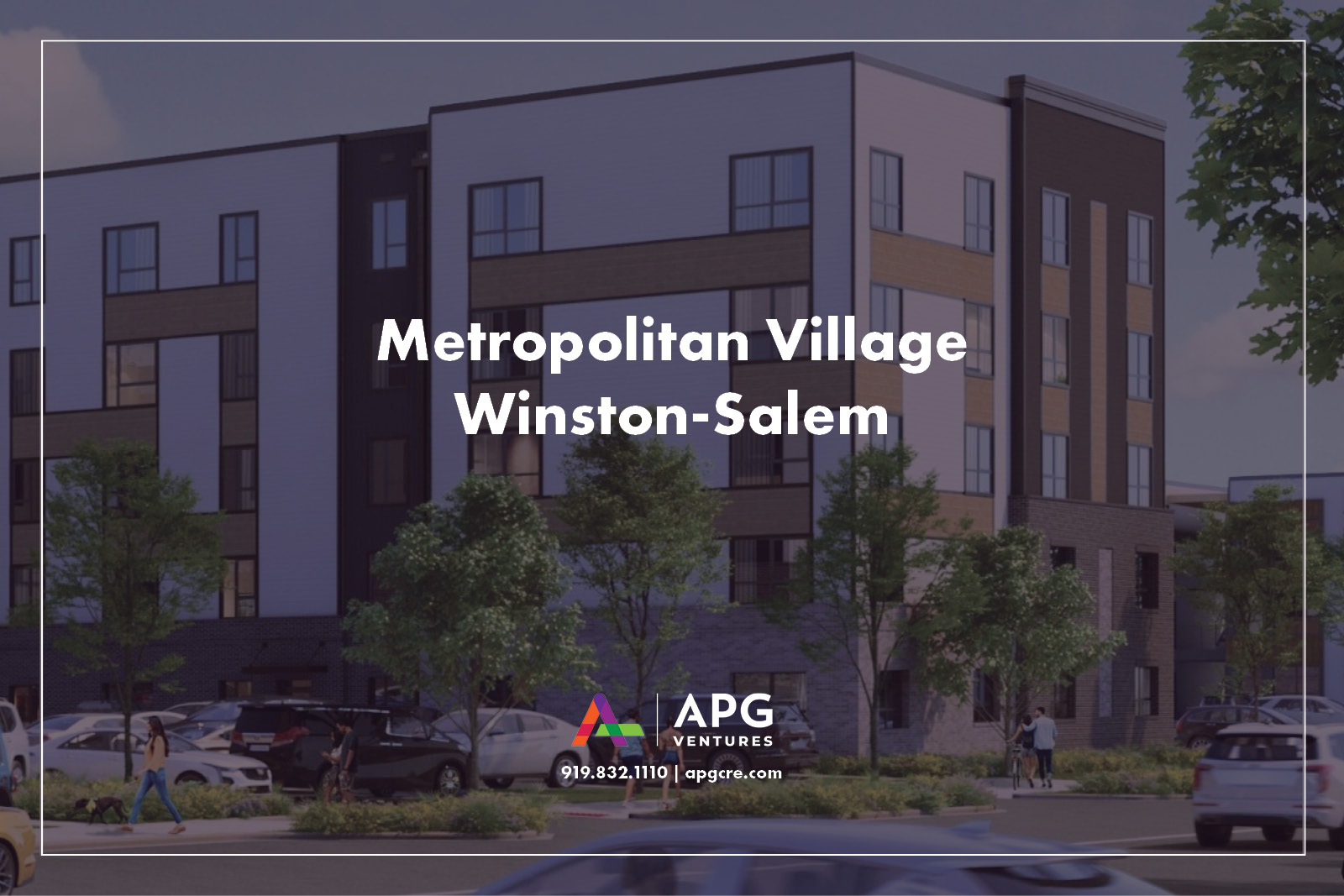
- Charlotte, NC (NoDa): A 274-unit modular multifamily community currently under construction in a four-story configuration.
- Greenville, SC (The Abbey): 252 units delivered in roughly 14 months, underscoring modular’s schedule-compression advantage.
- Wilmington, NC (Ansley Park): 276 units delivered in just over two years, including factory fabrication and on-site assembly.
- Atlanta. GA: (Waterworks Village) A 100-unit modular supportive housing community opened in 2025 as part of the city’s rapid housing initiative.
Across each of these sites, observers report the same conclusion: if you didn’t know the buildings were modular, you wouldn’t guess it. Modular’s advantage shows up not in appearance, but in delivery speed, predictability, and execution.
So why hasn’t modular taken over?
Because modular multifamily isn’t universally efficient — it is situationally efficient.
The primary constraint in North Carolina is not zoning or building codes. Those frameworks already accommodate modular development. The real hurdles are logistical:
- Transportation costs for large volumetric modules
- Distance from manufacturing facilities
- Escort and routing requirements
- Minimum project scale needed to absorb logistics costs
- Site access and configuration for cranes
Modular tends to perform best on larger projects, where repeatable unit types and accelerated schedules offset transportation expense. Comparisons to countries like Denmark, where modular adoption is far more widespread, often miss a key point: Denmark’s compact geography bears little resemblance to the logistics of moving modules across a state the size of North Carolina.
Why this matters now
North Carolina continues to grow, and the pressure to deliver housing quickly — particularly affordable and workforce housing — is intensifying. As projects scale up and delivery timelines tighten, modular multifamily becomes harder to ignore as a strategic option.
It may not be right for every site or every deal. But in the right circumstances — with sufficient scale, thoughtful design, and the right partnerships — modular has proven it can deliver high-quality housing faster and with greater certainty.
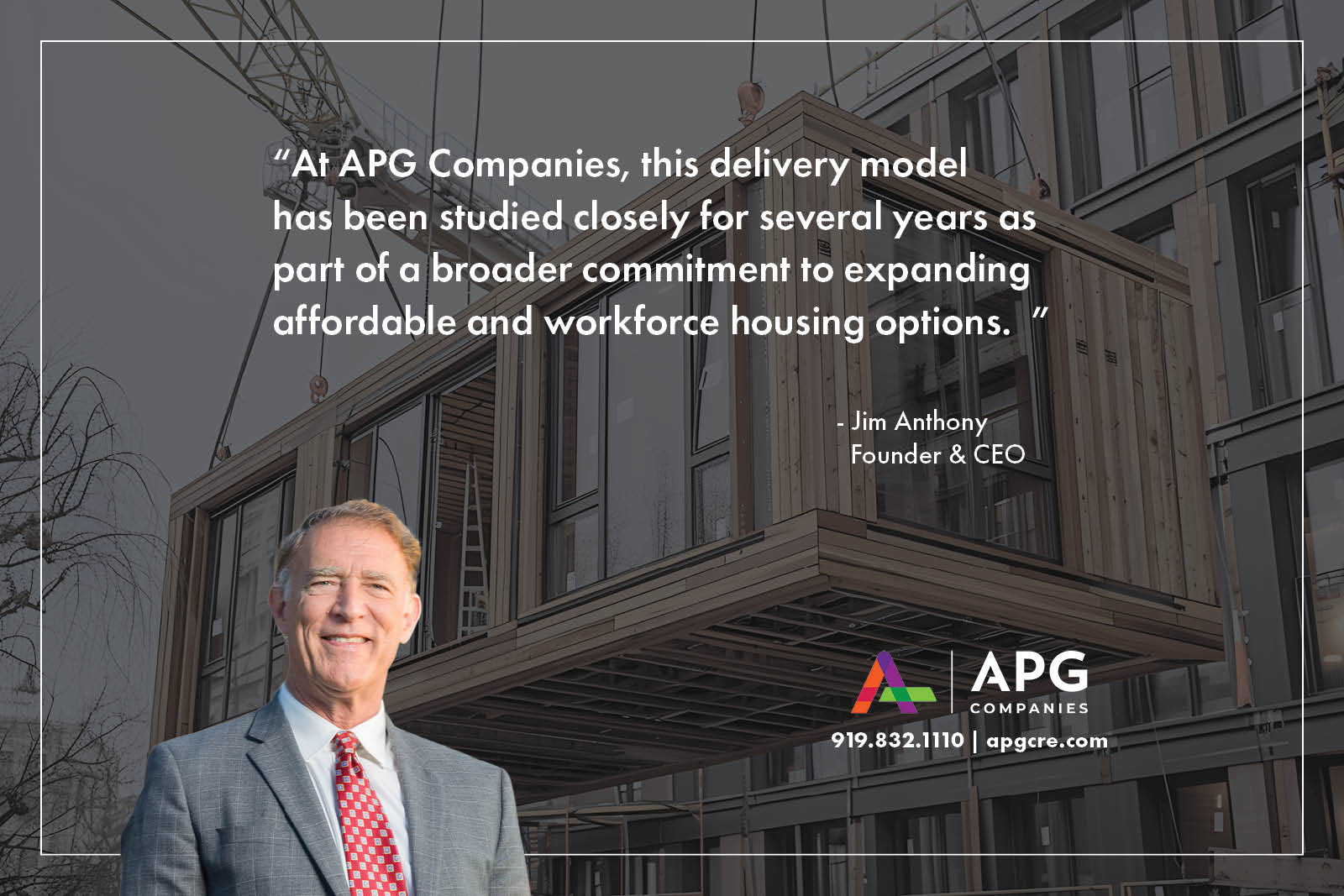
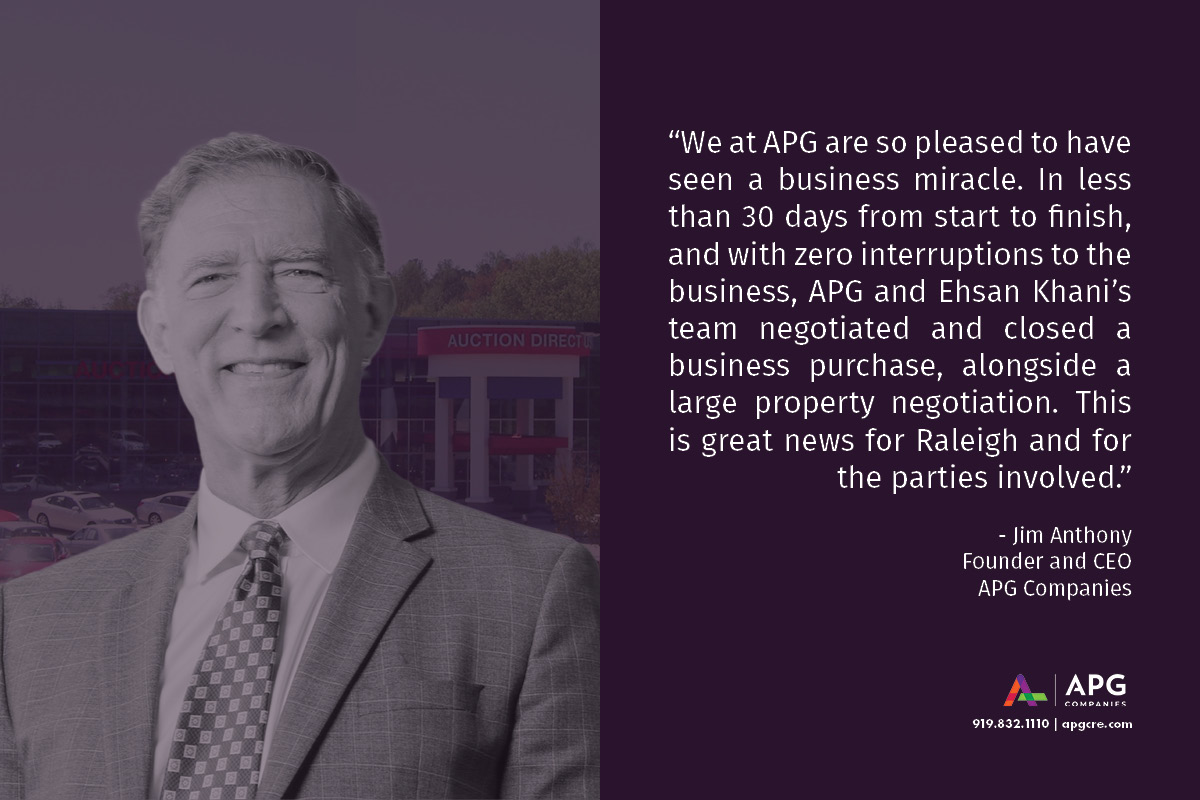
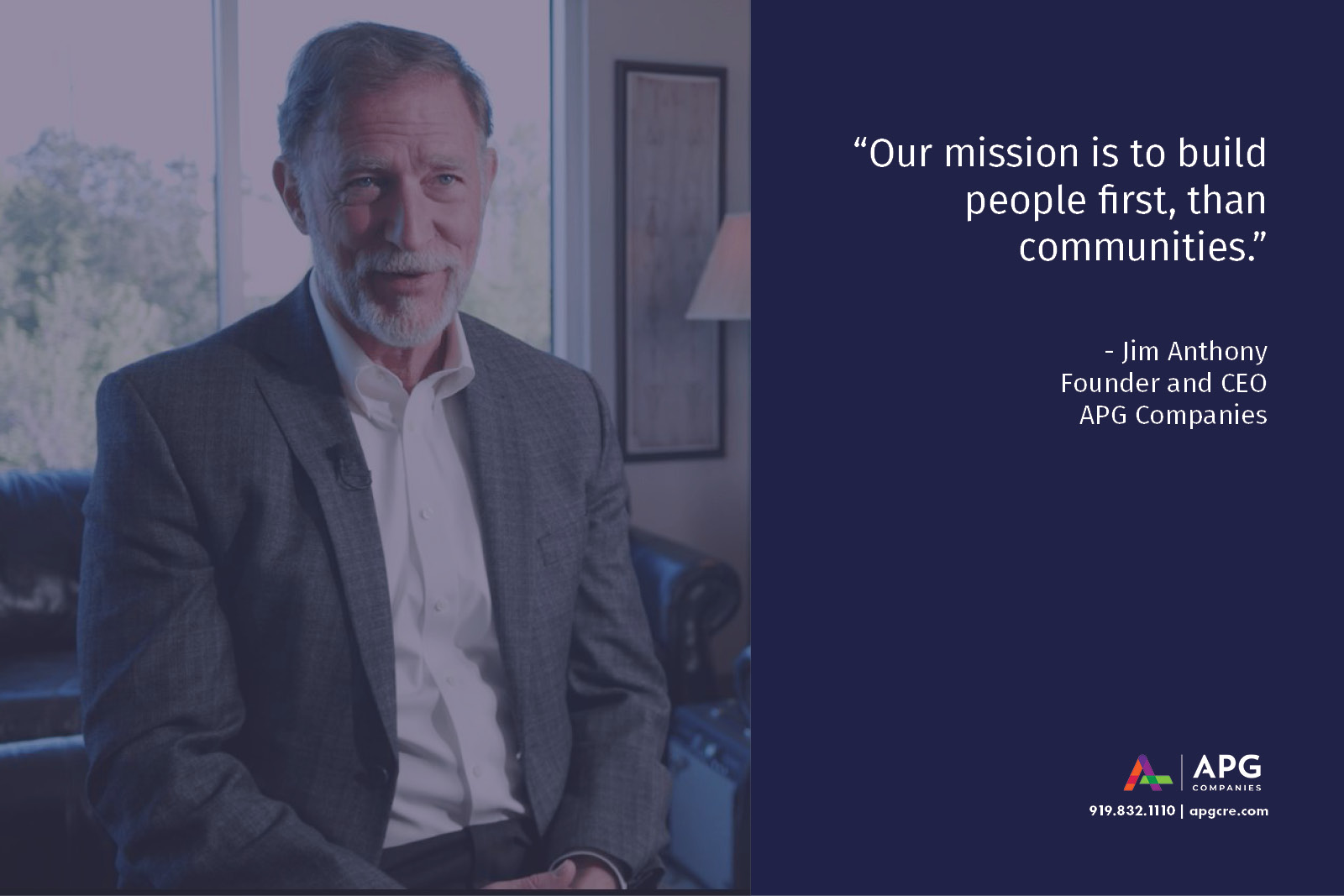
At APG Companies, this delivery model has been studied closely for several years as part of a broader commitment to expanding affordable and workforce housing options.” Jim Anthony, Founder and CEO of APG Companies says: “As interest around modular multifamily continues to build, it is a conversation APG expects to grow — and one we welcome.”
Meet the APG Capital Team
View Our Portfolio
See our Available Properties
Learn more about APG Companies